


Understanding Myopia: The Role of Devices and Indoor Lighting
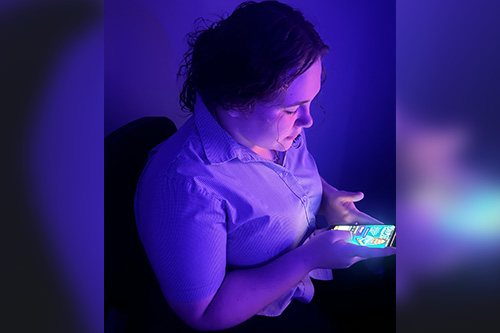
New research from the United States suggests that spending long periods focusing on things up close in dim lighting may be contributing to the rise in short sightedness (myopia).
Catherine Miller (Optometrist @ Young Eyes) says shortsightedness (Myopia) has often been blamed on too much screen time. However, scientists at College of Optometry in New York have found that simply spending most of our time indoors may be a major factor.
The study looked at how eye movements and pupil size are affected when focusing on a small target up close. They found that the pupil tightens even more when: * you look at something very close, * you use strong negative lenses, or * you keep focusing up close for a long time. The smaller the pupil the less light enters the eye and even though the pupil gets smaller in bright outdoor light, plenty of light still reaches the retina.
When we are in an indoor environment and our pupil is smaller from focusing up close, even when we are using illuminated screens not enough light is reaching the retina. The researchers say more studies are needed to confirm these results. But if the findings hold up, they could change how we think about preventing and managing myopia - possibly by making sure the eyes get enough safe, bright light while reducing how much the pupil tightens during closeup work.
As Catherine Miller from Young Eyes put it, this isn't the final answer, but it offers a new way to understand the importance of how lighting affects our vision
 Buy Contact Lenses
 Book an Appointment